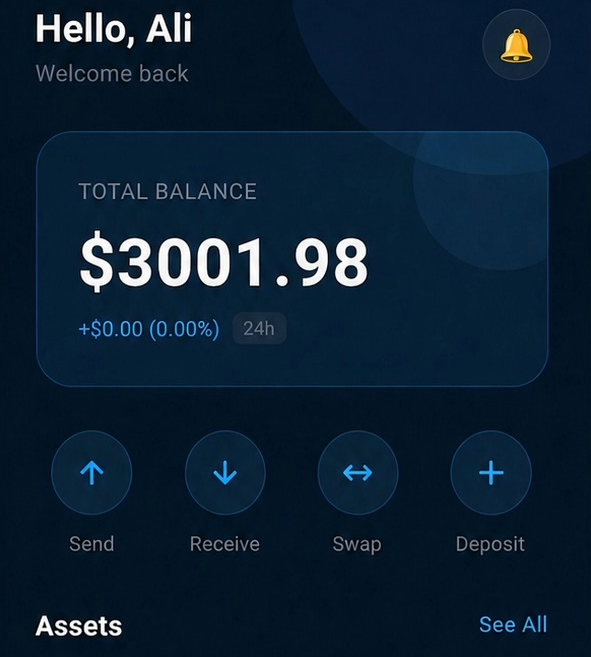
Choosing how to pay for everyday expenses depends on convenience, accessibility, security, and spending control. Cash remains a familiar option that works in many situations, while a crypto card offers a digital way to use crypto-linked funds for regular purchases.
By comparing payment speed, fund access, storage, tracking, and merchant acceptance, users can better understand which option suits their daily needs when choosing between crypto card vs cash.
Easy access to funds
Cash requires physical notes or coins at the point of payment. Users also have to visit an ATM or bank when their cash runs low. A crypto card gives users access to funds stored within a connected digital account. They can check balances through an app and make purchases with a card at supported merchants.
Faster everyday payments
Cash payments usually involve counting notes, checking change, and storing receipts. A crypto card makes many purchases quicker. Users tap, insert, or swipe the card at a payment terminal. Online shopping also becomes simpler since users enter card details during checkout instead of handling physical money.
Less physical storage
Cash takes physical space inside a wallet or bag. Large purchases may require users to carry several notes, which adds inconvenience. A crypto card stays in a wallet and works with a mobile app for account access. This setup reduces the amount of physical money users keep with them during daily activities.
Better spending visibility
Cash makes spending harder to track unless users record each payment. A crypto card usually connects spending activity with an app or account dashboard. Users can review transactions, check balances, and monitor purchases in one place. This information helps them keep a closer view of daily expenses.
Useful for online purchases
Cash has limited value for online shopping because digital stores require electronic payment methods. A crypto card gives users a practical option for websites and digital services that accept the card network. This feature adds flexibility for subscriptions, online orders, travel bookings, and other digital purchases.
Security and control
Cash creates a direct loss risk if a wallet disappears. A crypto card can offer account controls, transaction alerts, and card locking features through its associated app. Users can react quickly when they spot an unfamiliar transaction. These controls give digital payments a useful layer of oversight.